
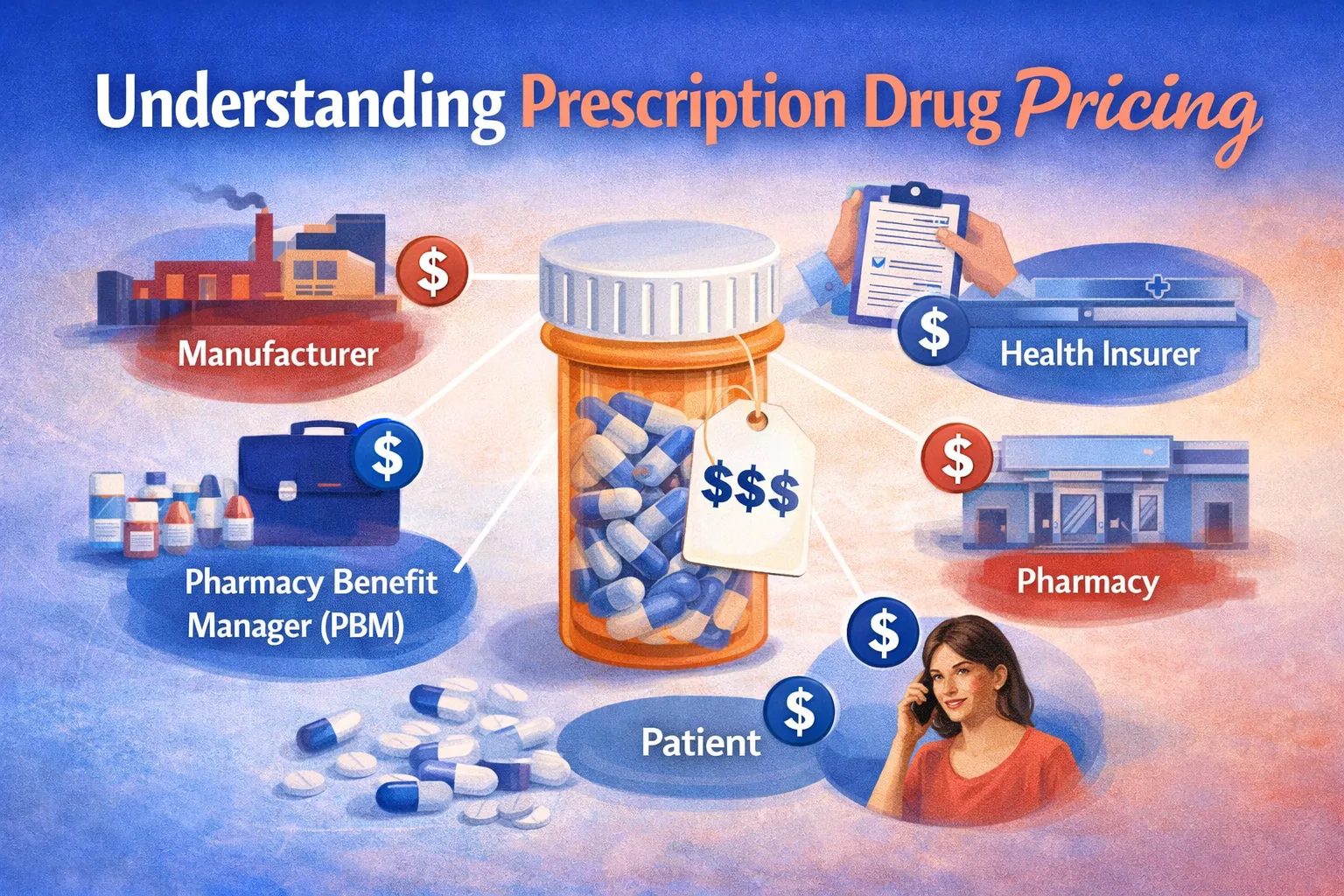
Understanding How Prescription Drug Pricing Really Works You walk up to the pharmacy expecting a small copay… and instead hear: “That will be $287.” If that moment has ever caught you off guard—you’re not alone. Prescription drug pricing is one of the most confusing parts of the healthcare system. And the truth is, the price […]
Category: blog
Healthcare Billing & Insurance Explained
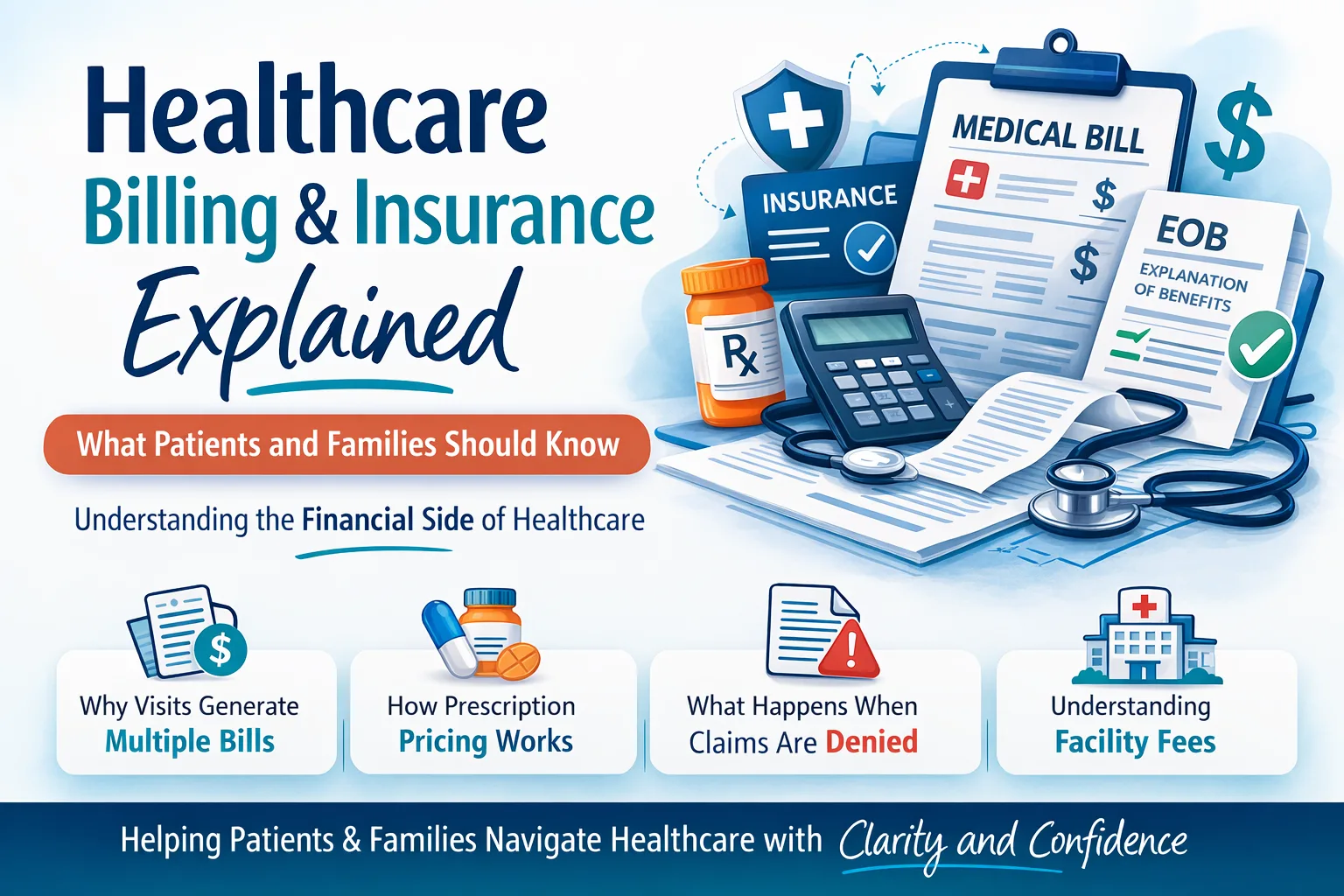
What Patients and Families Should Know About the Financial Side of Healthcare April Education Series from Stepping Stone Advocacy Services Healthcare can already feel overwhelming during the best of times. Between doctor visits, hospital stays, diagnostic testing, and follow-up appointments, patients and families are often focused on understanding diagnoses and coordinating care. Then the bills […]
The Role of Insurance in Medical Billing: Why the Same Care Can Cost Something Very Different
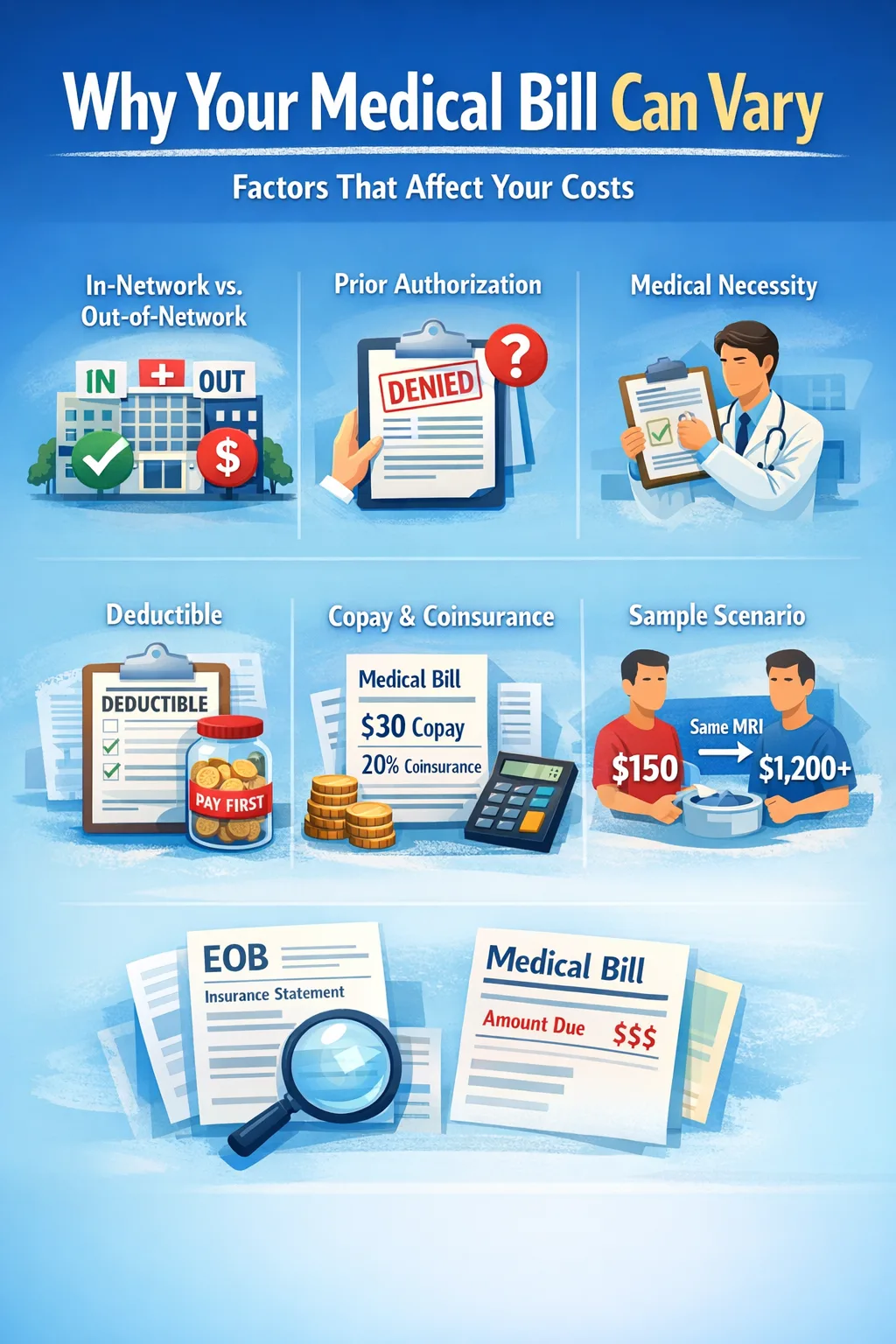
If you’ve ever opened two envelopes—one from your doctor and one from your insurance company—and thought “These don’t match at all”… you’re not alone. Medical billing is not just about the care you receive. It’s about how your insurance processes that care behind the scenes. Understanding this process is one of the most important steps […]
Understanding Medicare: A Guide for Patients and Families Navigating Healthcare Coverage

Medicare is one of the most important healthcare programs available to older adults and individuals with qualifying disabilities. Yet despite how essential it is, Medicare remains one of the most misunderstood aspects of the healthcare system. As patients age or experience changes in their health, Medicare often becomes the primary payer for hospital care, physician […]
What Happens After a Hospital Stay: A Guide for Patients and Families Navigating the First 30 Days and Beyond

Leaving the hospital is often accompanied by relief. It signals progress. Stability. A return to familiar surroundings. But for many patients and families, discharge marks the beginning of one of the most complex and vulnerable phases of the healthcare journey. Inside the hospital, care is structured. Nurses monitor changes in condition. Physicians evaluate progress. Case […]
Transitioning Home With Home Care: What It Really Means and What to Expect

After a hospital stay, many patients are relieved to hear the words “You’re going home.” But going home doesn’t always mean going it alone. A transition to home with home care means you are discharged from the hospital with skilled services coming to you, rather than being sent to a rehab facility or skilled nursing […]
Who You’ll Meet When Transitioning to a Skilled Nursing or Acute Rehab Facility

Understanding the Care Team That Shapes Recovery and Discharge A transition from the hospital to a Skilled Nursing Facility (SNF) or Acute Rehabilitation Facility (ARF) is a critical moment in the care journey. While most families focus on therapy schedules, room placement, and length of stay, one of the most important — and often overlooked […]
Understanding Assisted Living Pricing: Three Terms That Can Change Your Bill

When families begin exploring assisted living for a parent or loved one, the focus is often on safety, support, and quality of life. What’s less obvious—but just as important—is how services are described and billed. Many assisted living contracts rely on language that sounds simple on the surface, yet can lead to unexpected cost increases […]
Medical, Billing, and Insurance Advocacy: Why They Must Work Together

Healthcare challenges rarely exist in isolation. A single medical decision can trigger insurance requirements, which then influence billing and financial responsibility. When these systems are addressed separately, patients and caregivers are often left navigating delays, denials, and unnecessary stress. Effective patient advocacy recognizes that medical care, insurance, and billing are deeply interconnected—and must be managed […]
Why Care Transitions Are Where Families Need the Most Support

Care transitions—such as hospital to home or rehabilitation back to independent living—are some of the most vulnerable moments in healthcare. During these transitions, patients and caregivers are expected to absorb complex instructions, manage medication changes, and coordinate follow-up care, often with little guidance. This is where confusion, miscommunication, and preventable setbacks most commonly occur. What […]